
Storage Water Heater
In a storage water heater, mineral deposits settle near the bottom of the tank and form sediment. That buildup can cause popping or rumbling noises, slow recovery, and reduce the amount of usable hot water.
Fast, Local & Reliable
No hot water, a leaking tank, changing water temperatures, or a water heater that keeps shutting down? We provide water heater repair in Grand Rapids, MI for residential tank and tankless systems, including gas and electric water heaters.
Tell us what you’re noticing, and we’ll start by finding the problem.
Start With the Symptoms
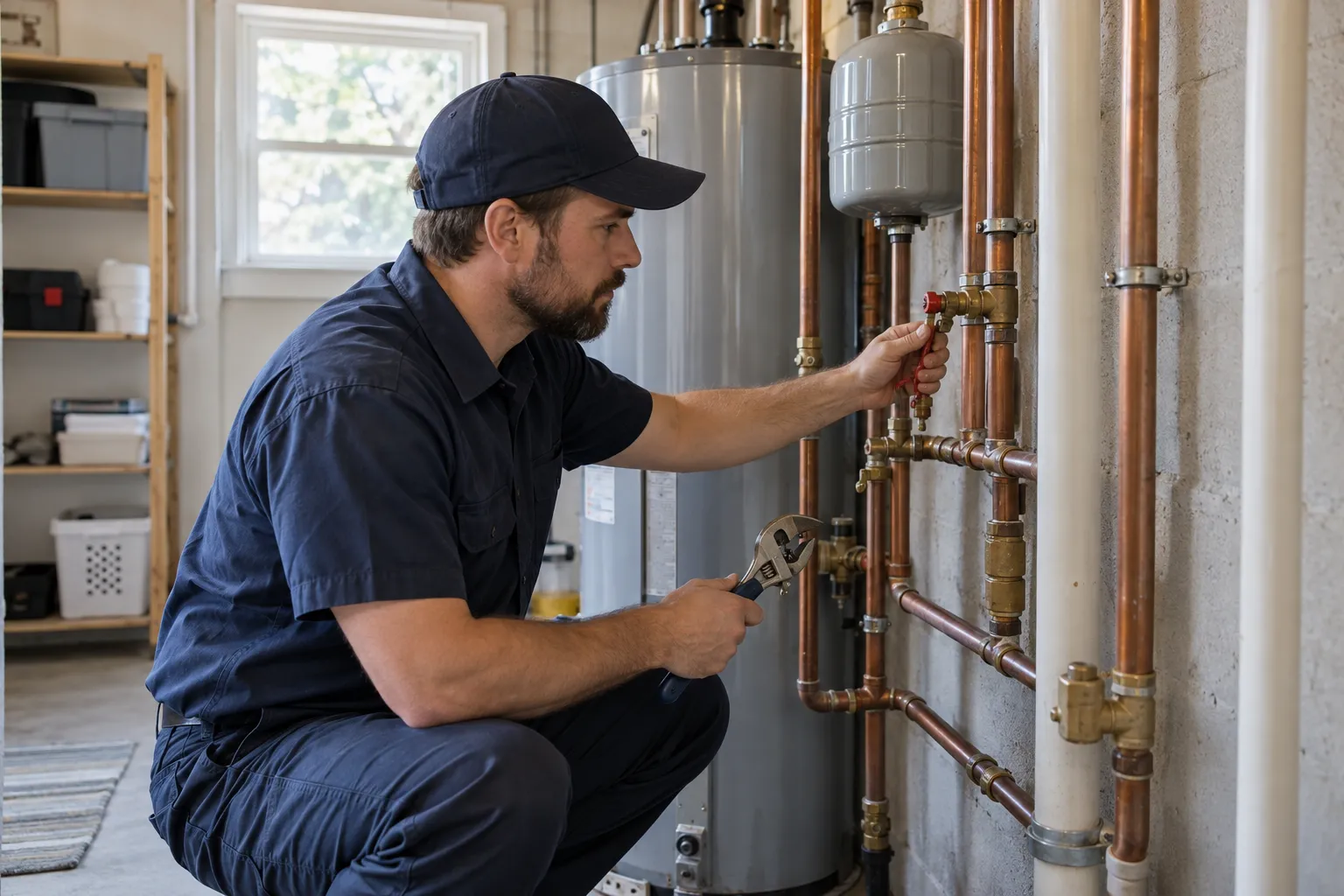
You do not need to know which part failed before you call. Start with what you see, hear, or feel, and we’ll use those symptoms to narrow down the problem.
A heating or ignition failure may have stopped the system from working.
The heater may be recovering slowly or struggling to keep up with normal use.
Water around the unit may come from a valve, fitting, connection, or tank.
The system may not be maintaining steady heat during normal household use.
Sediment may be collecting near the bottom of a storage tank as it heats.
Ignition, flow, sensor, scale, or control problems may be interrupting operation.
Seeing one of these signs?
Ways We Can Help
We repair tankless, gas, and electric water heaters, fix leaks, handle sediment problems, and replace units when repair is no longer practical.
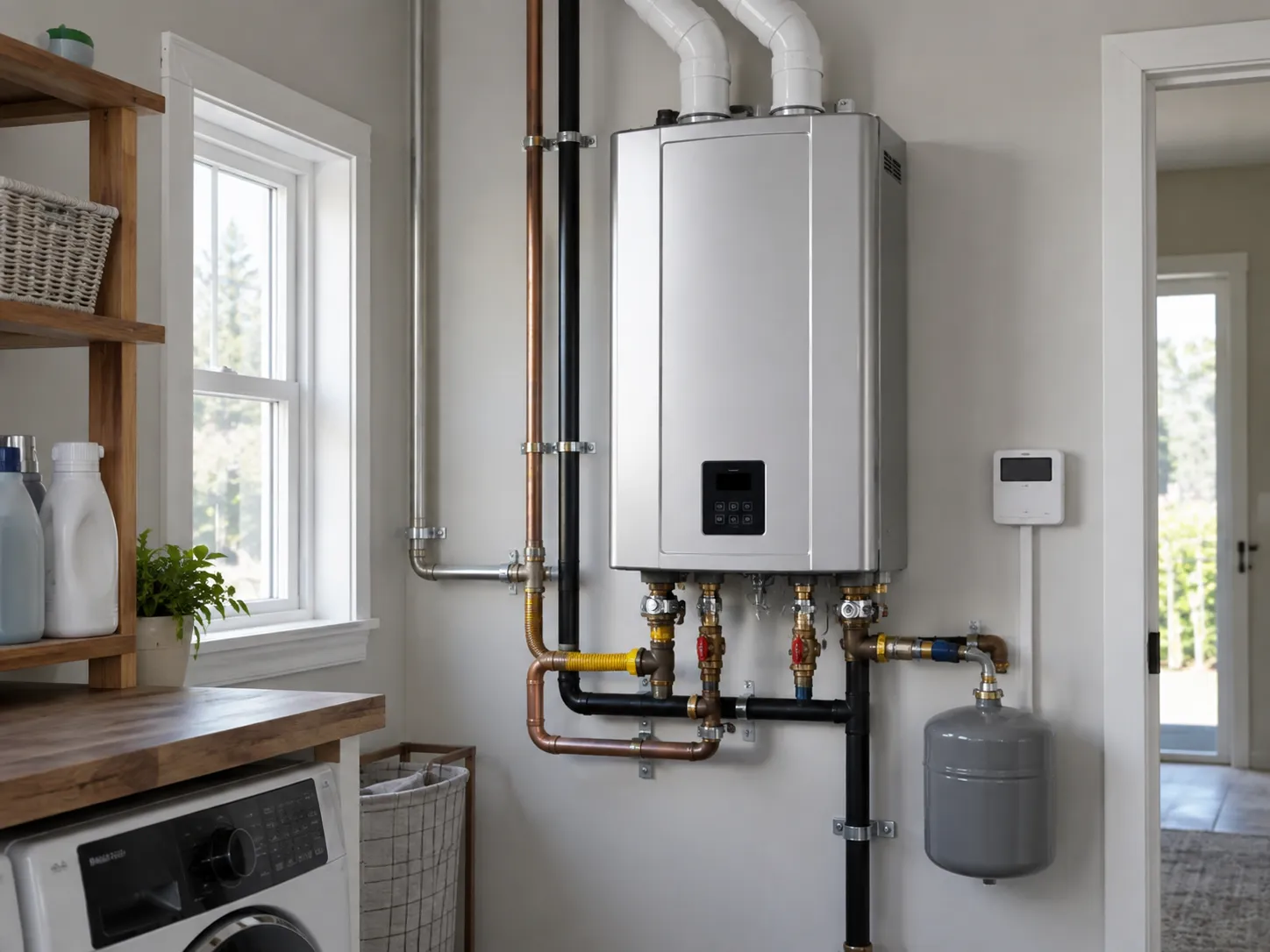
We diagnose error codes, ignition trouble, shutdowns, temperature changes, flow problems, sensor issues, and mineral scale in tankless water heaters.
Explore Service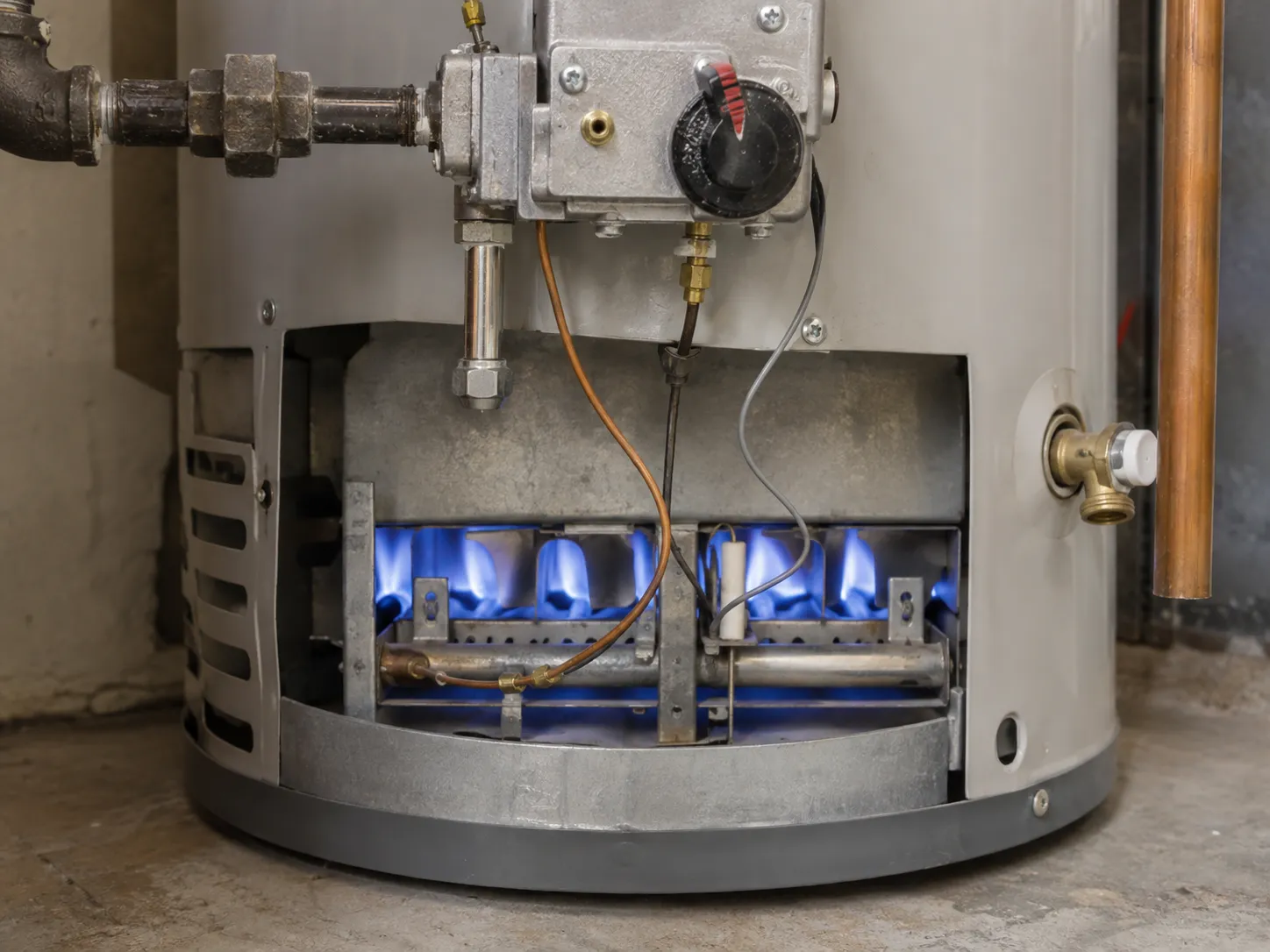
We repair pilot-light, ignition, burner, thermostat, gas-control, and heating problems that can leave you without reliable hot water.
Explore Service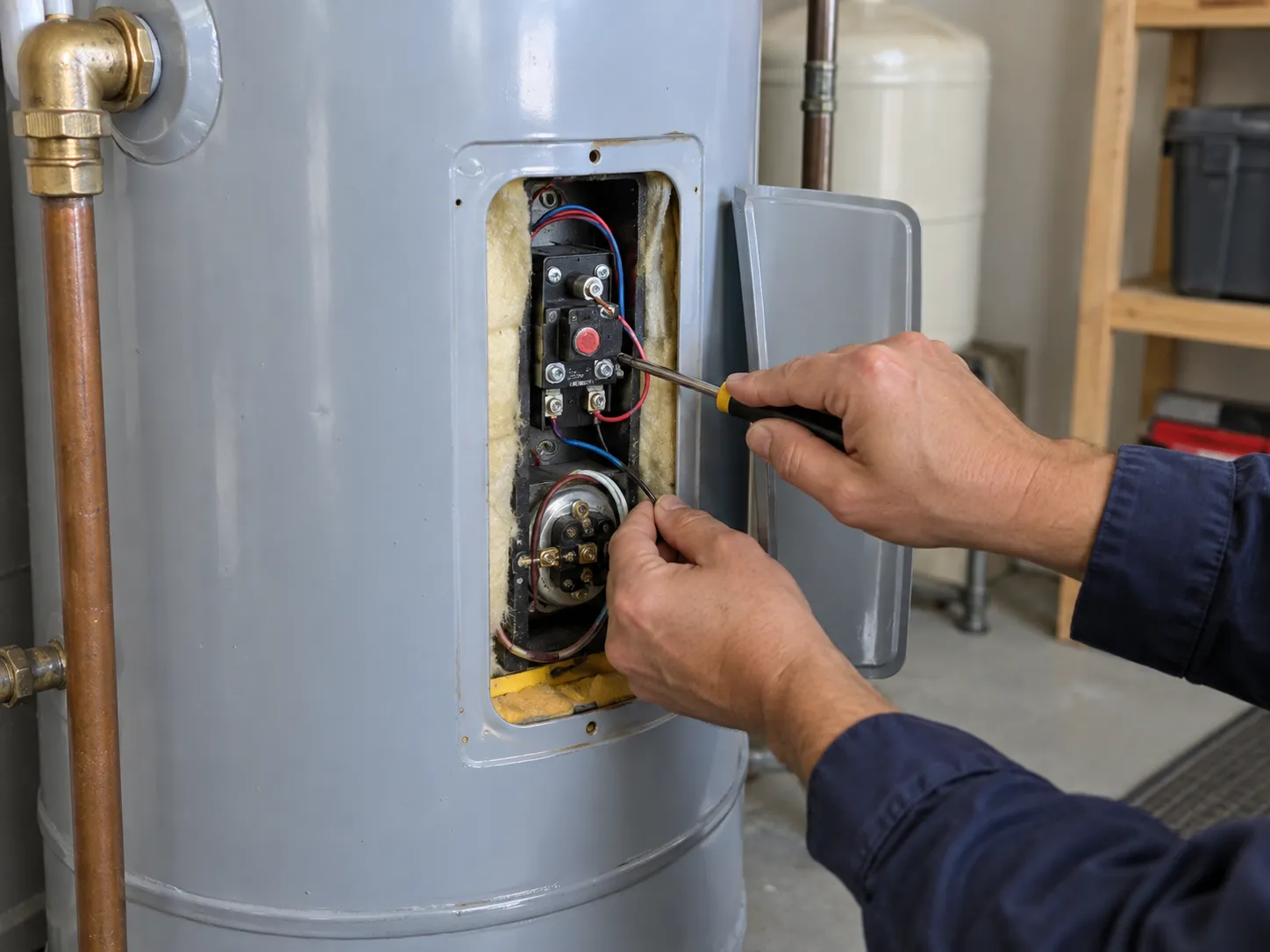
We check heating elements, thermostats, electrical connections, and controls when an electric water heater stops heating or runs out too quickly.
Explore Service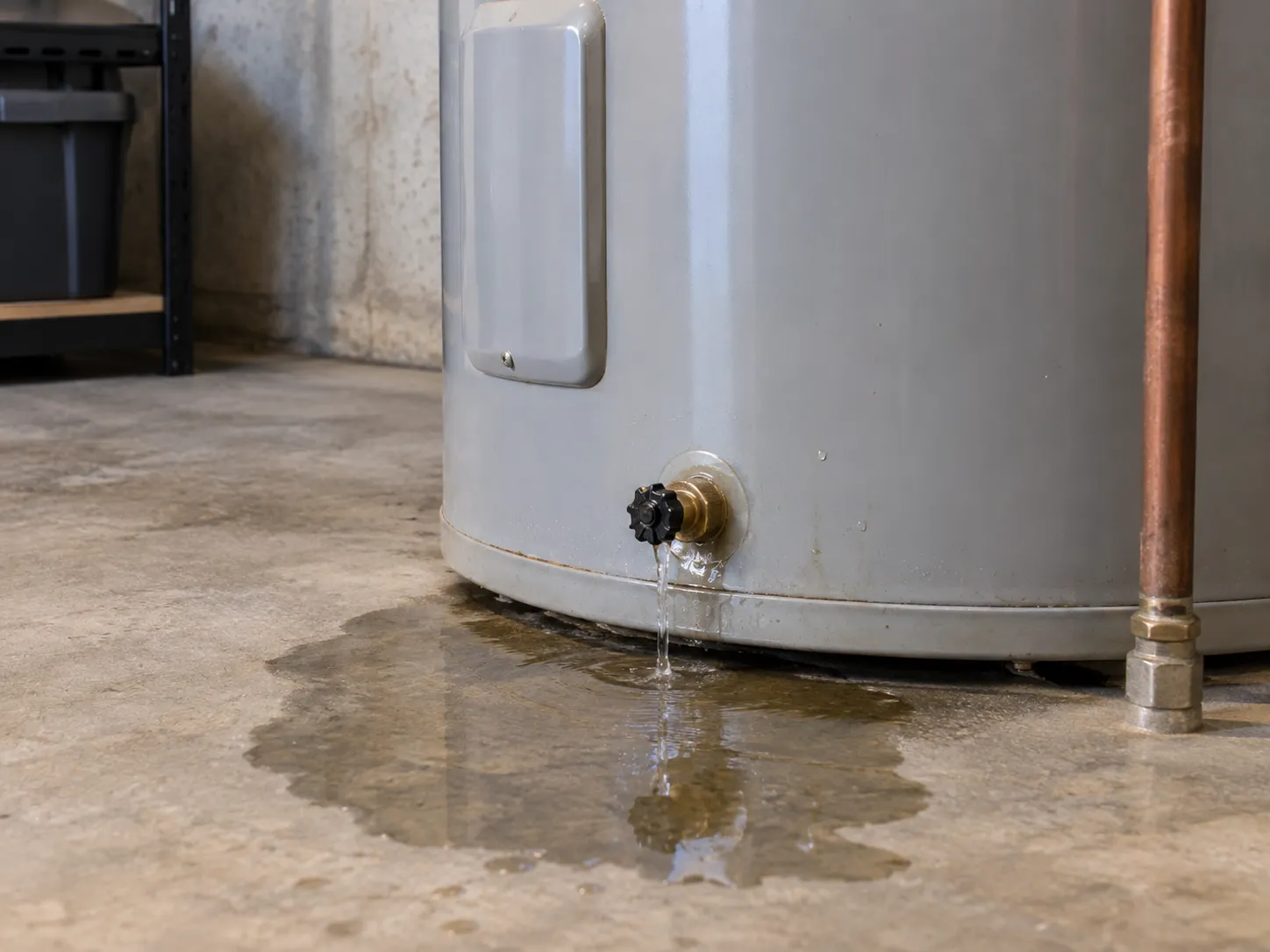
We trace leaks from valves, fittings, connections, and the tank to find whether the heater needs repair or replacement.
Explore Service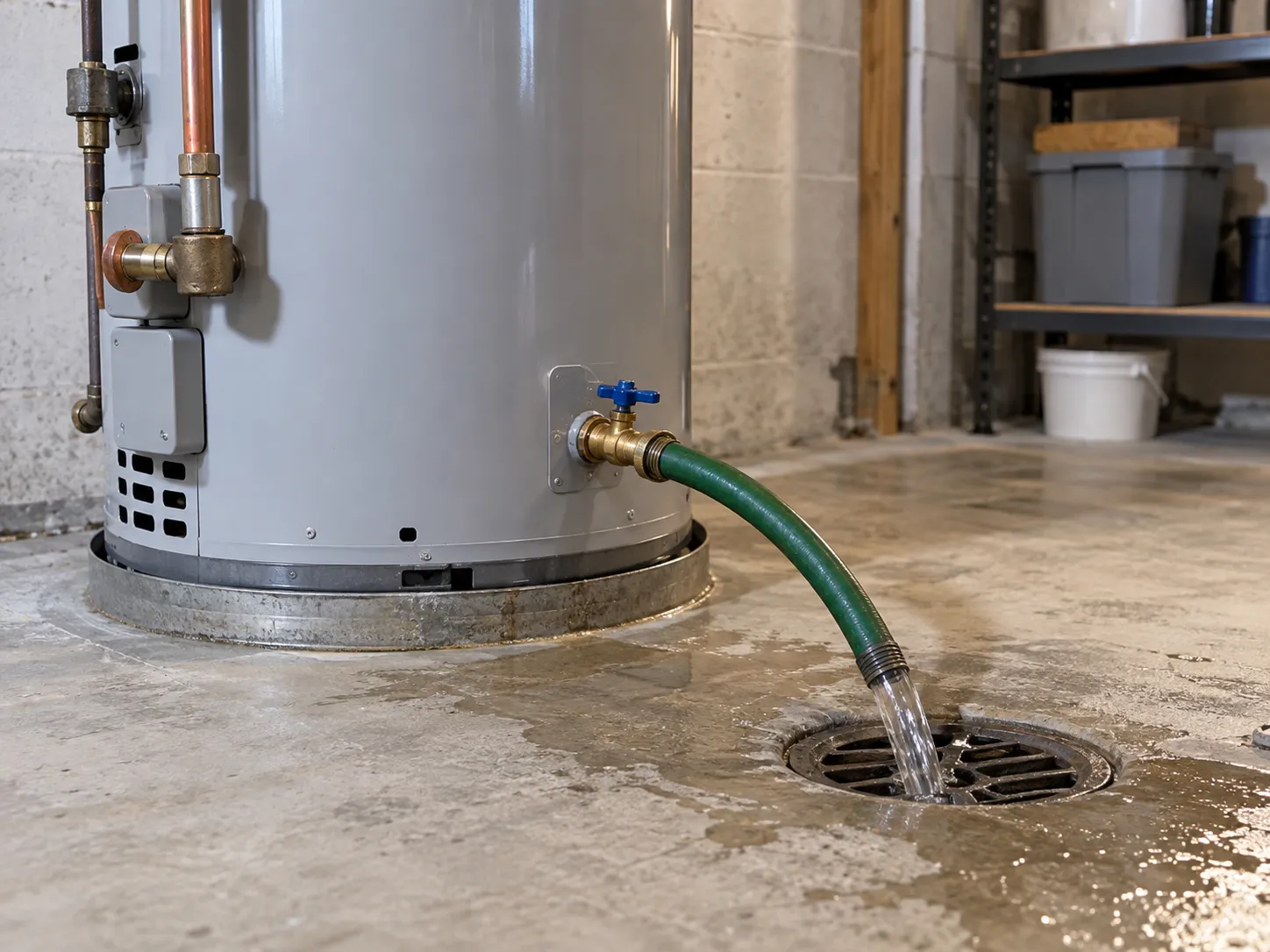
We flush storage-tank water heaters to remove sediment that can cause popping noises, slow recovery, and less usable hot water.
Explore Service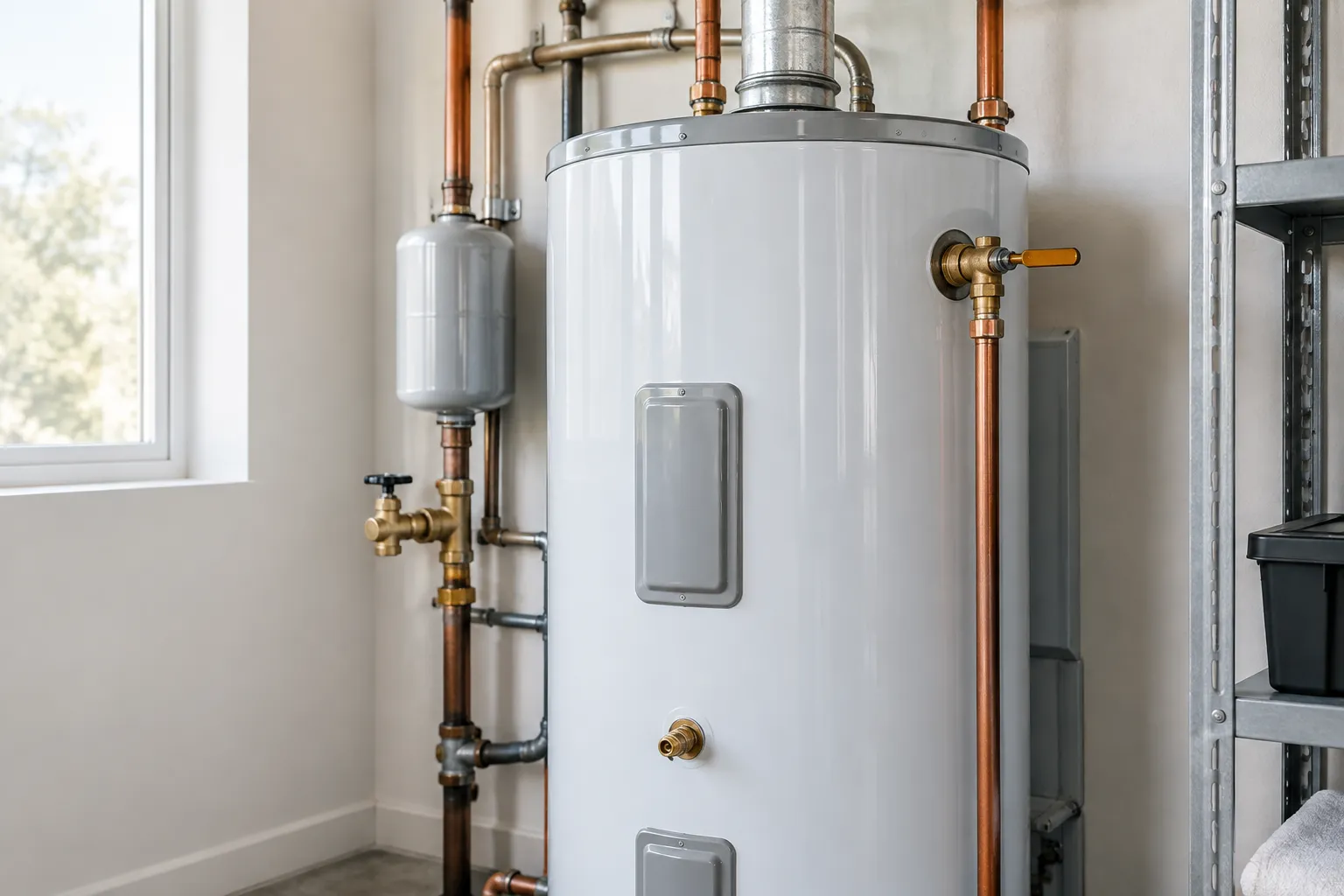
We replace water heaters when the tank fails, corrosion becomes severe, problems keep returning, or the unit no longer meets your hot-water needs.
Explore ServiceAccurate Diagnosis
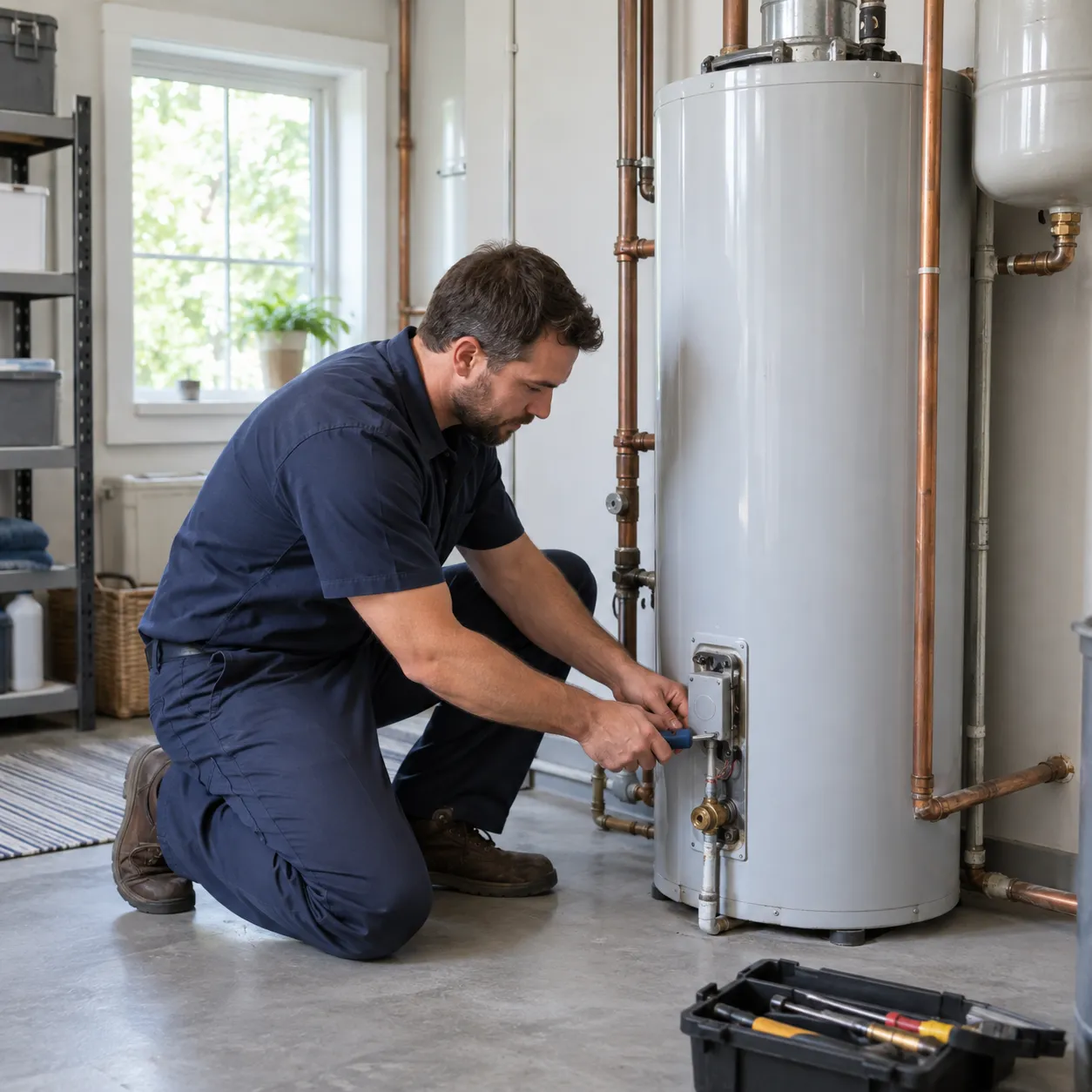
Good water heater repair starts with finding the actual cause, not guessing from the symptom. We start with what the unit is doing, then check the parts connected to that problem before we recommend a repair.
On electric water heaters, we check heating elements, thermostats, power, and controls. On gas units, we look at the burner, pilot or ignition system, gas controls, and temperature control.
We check recovery, heater capacity, heating performance, sediment, and household demand when the hot water runs out faster than it should.
We trace the water back to its source. Valves, fittings, connections, drain points, and the tank itself can all leak, but they do not require the same repair.
We check ignition, water flow, sensors, controls, mineral scale, and venting when a tankless unit shows error codes, loses temperature, or keeps shutting down.
About RapidFlow Water Heating
RapidFlow Water Heating provides water heater repair in Grand Rapids, MI and nearby areas. We also offer water heater flushing and replacement. We start with the symptom, check the parts connected to it, and find what went wrong before we recommend any work.
That may mean replacing a failed heating element, fixing an ignition problem, tracing a leak, or flushing sediment from a storage tank. We explain what we find and why we recommend a specific repair.
If the tank itself has failed or the same problem keeps coming back, we will also explain when replacement becomes the better option. You know what we found, what we recommend, and why before any work moves forward.
Know Your Options
A water heater problem does not always mean you need a new unit. We provide hot water heater repair in Grand Rapids, MI, starting with what failed and whether the tank is still in good condition.
Repair
If a thermostat, heating element, ignition part, valve, fitting, or control fails, we can often repair or replace that part without replacing the whole water heater.
Flush
Sediment can cause popping or rumbling noises, slower recovery, and less usable hot water. When sediment causes the problem, flushing removes the buildup from the tank.
Replace
We recommend replacement when the tank itself leaks, corrosion has damaged the unit, the same problems keep coming back, or the heater can no longer supply enough hot water for your home.
We explain what we find first, then tell you whether repair, flushing, or replacement fits the condition of your water heater.
Local Water Conditions
The City of Grand Rapids reports water hardness around 8.3 grains per gallon. Those dissolved minerals can leave deposits inside water-heating equipment as water heats and moves through the system.
8.3
grains per gallon
Local Water Hardness
In a storage water heater, mineral deposits settle near the bottom of the tank and form sediment. That buildup can cause popping or rumbling noises, slow recovery, and reduce the amount of usable hot water.
Tankless water heaters can also collect mineral scale on parts that stay in contact with heated water. Regular maintenance and descaling can help control buildup before it begins affecting water flow or heating performance.
Pricing Factors
The heater type, failed part, parts needed, and access to the unit all change how much work the repair takes. If we find more than one problem, we explain what needs fixing and why before any work moves forward.
Tank, tankless, gas, and electric water heaters use different parts and require different repairs.
A thermostat, heating element, valve, ignition component, or control can require different parts and different amounts of labor.
A hard-to-reach heater or a repair that requires additional disassembly can take more time and work to complete.
If the tank itself leaks or has serious corrosion, a repair may no longer fix the problem. We explain why before discussing replacement.
Call us and tell us what your water heater is doing. Once we find the problem, we explain what needs fixing and give you upfront pricing before any work begins.
How It Works
You do not need to diagnose the water heater before you call. Tell us what you are seeing, hearing, or experiencing, and we will take it from there.
Tell us what you’re experiencing and what’s going wrong.
We check the system and identify what’s causing the problem.
We explain what needs fixing and complete the repair.
Our Service Approach
We focus on residential water heater repair and keep our recommendations tied to the problem in front of us. We explain what we find in plain English, so you know what failed, what needs fixing, and why.
We work specifically with residential water heaters, including tank, tankless, gas, and electric systems.
We check the system and identify the problem before recommending water heater repair, flushing, or replacement.
We tell you what failed, how it affects your hot water, and why we recommend a specific repair or service.
We work with the major residential water-heater types and approach each system based on how it operates.
We understand how Grand Rapids water hardness, sediment, and mineral scale can affect storage and tankless water heaters over time.
Areas We Serve
We provide water heater repair in Grand Rapids and nearby areas, helping homeowners with tank, tankless, gas, and electric water heater problems.
FAQs
There is no single price for water heater repair because the cost depends on what failed, the type of heater, the parts required, and how much work the repair takes. After we find the problem, we explain the repair and give you the price before work begins.
Often, yes. If the tank remains in good condition and a thermostat, heating element, ignition part, valve, or control has failed, repairing that part can keep the water heater working without replacing the whole unit.
Repair usually works when the problem comes from a serviceable part. We recommend replacement when the tank itself leaks, heavy corrosion damages the unit, the same problems keep returning, or the heater can no longer supply enough hot water for your home.
On an electric water heater, a failed element or thermostat can stop the tank from heating. Gas units rely on the burner, pilot or ignition system, and gas controls, while tankless heaters can stop heating because of ignition, flow, sensor, or control problems.
Yes, we can repair some water heater leaks. We can often fix leaks from valves, fittings, drain points, or water connections. If the tank itself starts leaking, the heater usually needs replacement.
Common signs include no hot water, hot water running out quickly, changing temperatures, leaks, popping or rumbling noises, slow recovery, and repeated tankless shutdowns or error codes.
Sediment can collect near the bottom of a storage water heater and create popping or rumbling sounds as the tank heats. That buildup can also slow recovery and reduce usable hot water.
Yes. Minerals in Grand Rapids water can form sediment inside storage tanks and scale inside tankless systems over time. Regular flushing, maintenance, and tankless descaling can help control that buildup.
Get Help With Your Heater
No hot water, a leak, or a water heater that keeps shutting down? Tell us what’s wrong, and we’ll find the problem and explain what needs fixing.